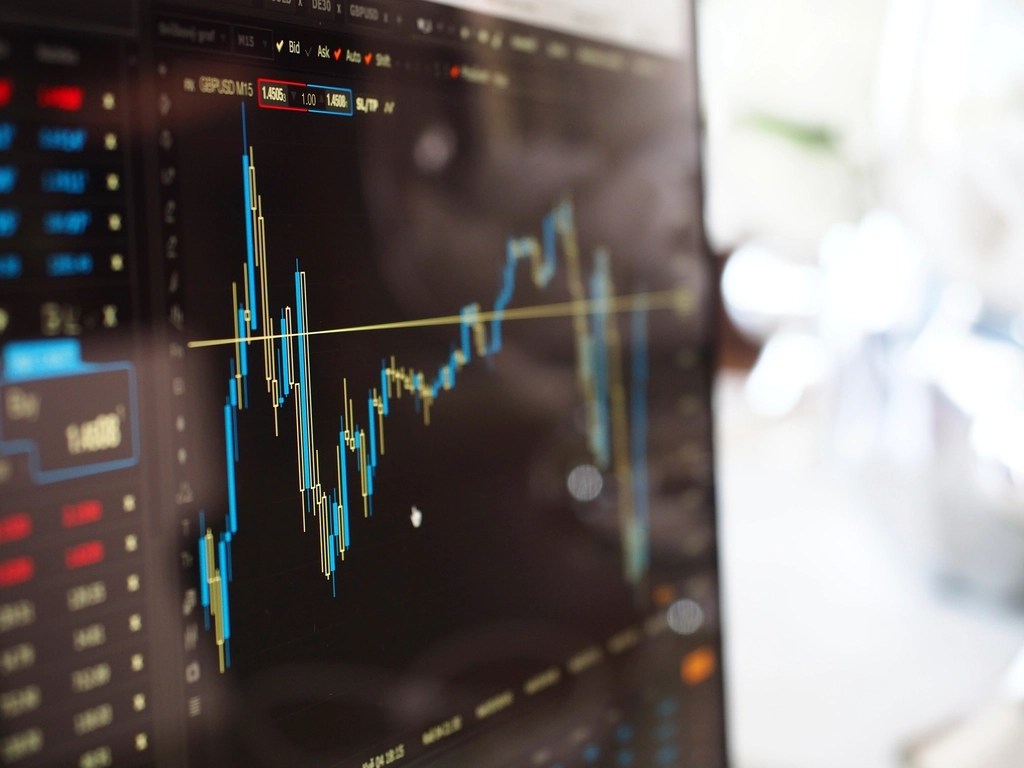
If you are reading this there’s a good chance that you already are a commodities trader. A recent report found over 50% of American households possess physical metal commodities. The value of the gold or silver that you purchase changes daily, which is tracked in detail by commodity traders around the world. But what exactly is commodities trading? Commodities trading refers to the buying and selling of raw materials or primary agricultural products, known as commodities. These are typically goods that are uniform in quality and are used as inputs in the production of other goods and services. Commodities are broadly categorized into two types: hard commodities, which include natural resources like oil, gold, and natural gas, and soft commodities, which consist of agricultural products such as wheat, coffee, and cotton. There are two different ways to trade these goods: physically and through derivatives. The physical side involves the direct buying and selling of the actual commodity, for example, an owner of a tomato factory might sell three tons of tomatoes to the owner of a pizza shop. However, this side is often disregarded by most commodity traders as it often involves transportation, storage, and other logistical considerations. The more common form of commodities trading is in financial markets, where participants trade contracts that derive their value from the underlying commodity. The most common types of derivatives are futures and options. Futures Contracts are agreements to buy or sell a specific quantity of a commodity at a predetermined price on a specified future date. Futures contracts are standardized and traded on exchanges like the New York Mercantile Exchange (NYMEX). They allow traders to speculate on price movements or hedge against potential price fluctuations. On the other hand option contracts give the holder the right, but not the obligation, to buy or sell a commodity at a specified price before a certain date. Options provide flexibility for traders to manage risk or take advantage of price movements without committing to a full contract. Another easy way for beginners to invest in commodities is through mutual funds and ETFs that track the growth of commodities. Some of the most common ones are known as (PALL , PPLT, DBB, SIVR, SGOL, WEAT, UGA, USO, BNO), or more specifically as:
Through understanding the global economy and weather trends, you can either buy or short ETFs like these, resulting in a more diversified portfolio. Furthermore, many of the companies such as Teucrium have other funds that relate to soft commodities such as corn, one of the most significant crops in the United States.



 financewx.com
Leave a reply to Pritam Chinthakunta Cancel reply