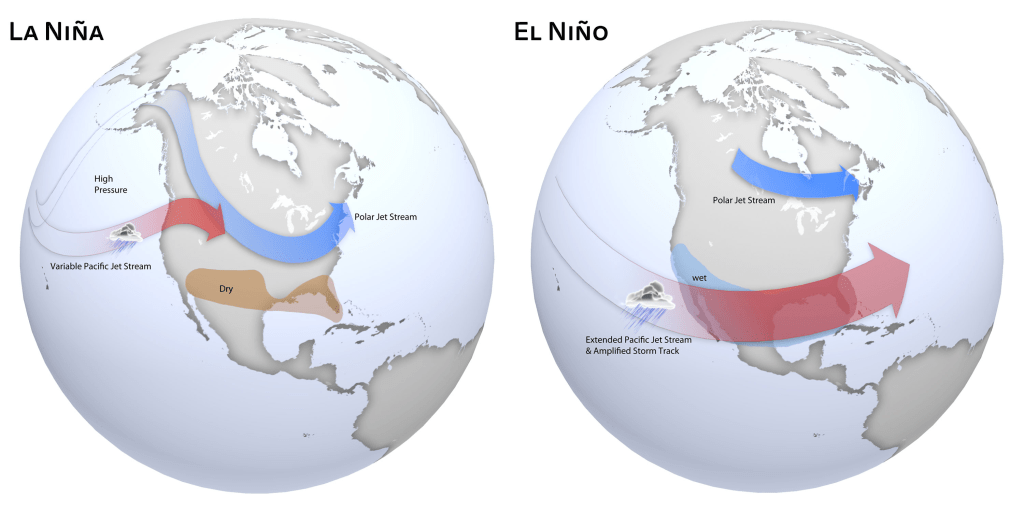
El Niño and La Niña are two of the most well known weather systems that impact America every year. Both phenomena significantly alter global weather patterns, causing extreme conditions like droughts, floods, and temperature anomalies. But what is the difference between the two?
El Niño brings wetter conditions to the southern U.S. and warmer winters to much of the country. It typically reduces hurricane activity in the Atlantic while intensifying storms in the Pacific. The northern U.S. often experiences milder winters during El Niño events.
La Niña causes colder and wetter winters in the northern U.S. and warmer, drier winters in the southern U.S. It also tends to increase hurricane activity in the Atlantic and results in more extreme weather events, such as flooding and drought, across various regions.
As a result these weather patterns have a significant impact on crop yields and production. In order to test this theory out we focused on Corn and Soybeans, two of the most traded and known agricultural commodities sold in the United States of America. Using data from the NOAA, we first classified each year as either an El Niño, La Niña, or neutral years.
| El Niño | La Niña | Neutral ENSO |
|---|---|---|
| 2018-2019: Weak | 2020-2022: Strong | 2019-2020 |
| 2015-2016: Strong | 2017-2018: Weak to moderate | 2012-2014 |
| 2009-2010: Moderate to strong | 2016-2017: Weak | 2001-2002 |
| 2006-2007: Weak to moderate | 2010-2012: Strong (multi-year) | 1993-1994 |
| 2004-2005: Weak | 2007-2009: Moderate to strong | |
| 2002-2003: Moderate | 1999-2001: Strong (multi-year) | |
| 1997-1998: Very strong | 1995-1996: Weak to moderate | |
| 1994-1995: Weak to moderate | 1988-1989: Strong | |
| 1991-1992: Moderate |
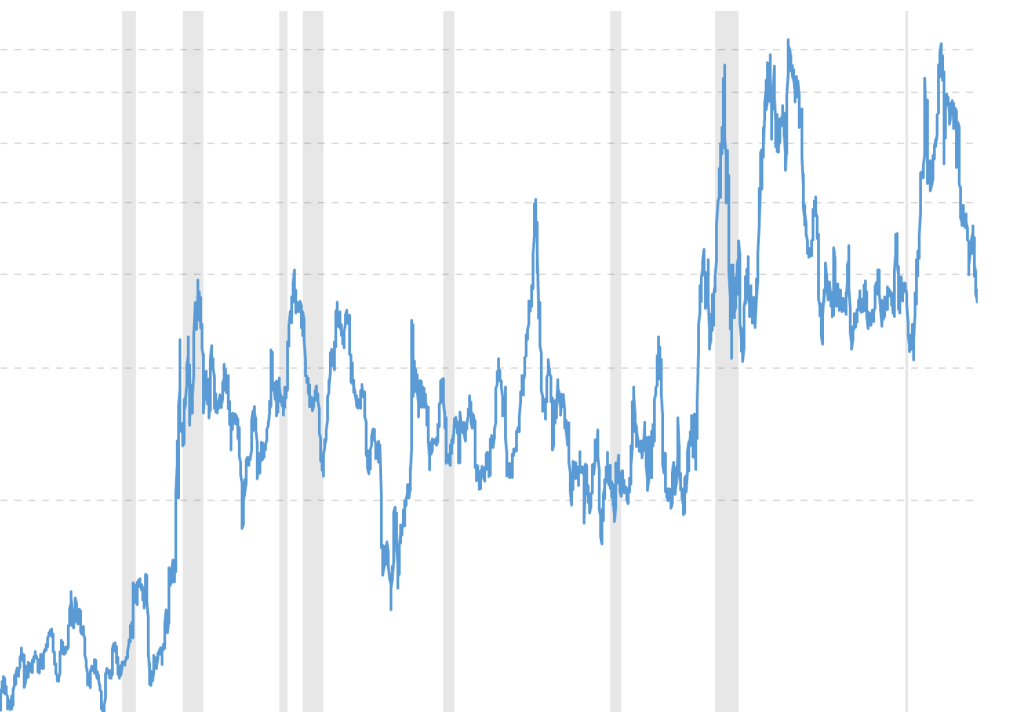
Furthermore, we analyzed the value of soybean and corn commodities over the past 25 years using data from macrotrends:
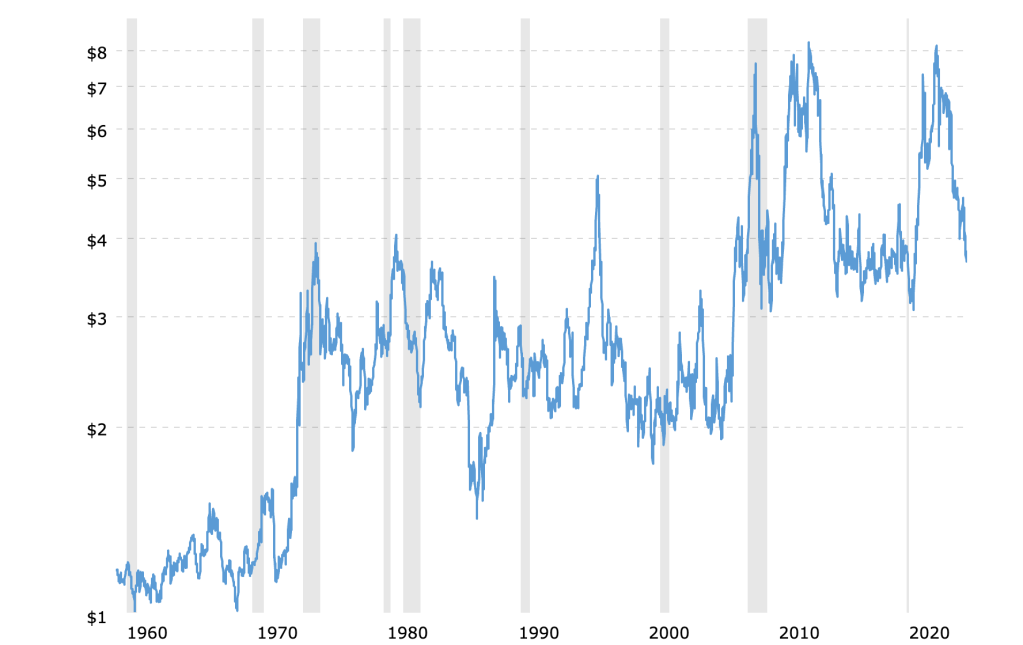
Corn Prices from 1959-2024 (macrotrends.com)
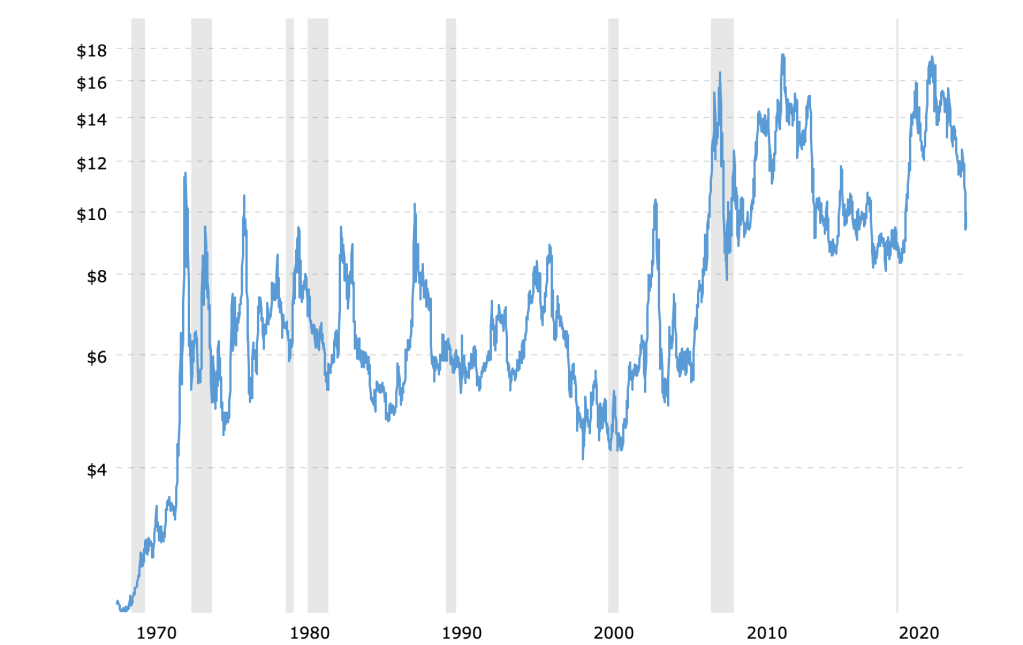
Soybean Prices from 1959-2024 (macrotrends.com)
Through this data we deduced that:
| ENSO Phase | Average % Change (Soybeans) | Average % Change (Corn) |
|---|---|---|
| Neutral | 4.13% | 8.69% |
| El Niño | -2.72% | 4.27% |
| La Niña | 26.25% | 11.48% |
From this data we can conclude that La Niña appears to have the most dramatic effect on both crops, driving prices up significantly, especially for soybeans. The disruptions caused by La Niña’s extreme weather may limit supply, creating upward pressure on prices. El Niño tends to have a negative effect on soybeans, possibly due to drier conditions in key growing regions, while corn prices still show modest growth. Neutral conditions present the most stable growth for both soybeans and corn, though corn shows a notably higher average percentage change compared to soybeans during these periods.



 financewx.com
Leave a reply to JP Cancel reply