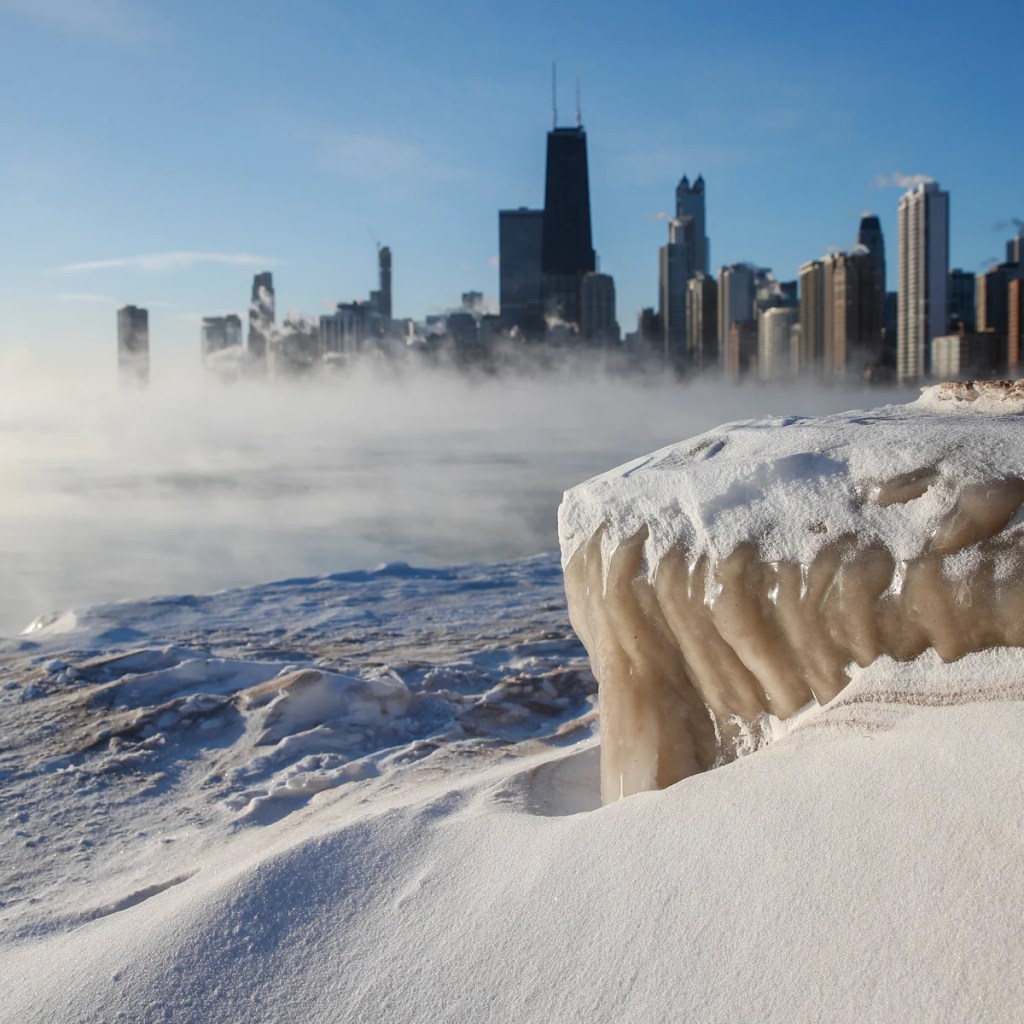
Weather changes affect the demand for energy, especially in industries like heating and cooling. For example, cold winters drive up the demand for heating oil and natural gas, while hot summers increase the demand for electricity for air conditioning. Based on these seasonal fluctuations, energy traders and companies closely monitor weather forecasts to adjust their strategies. There’s one specific weather event that we think would definitely cause big changes in the energy sector: The Polar Vortex.
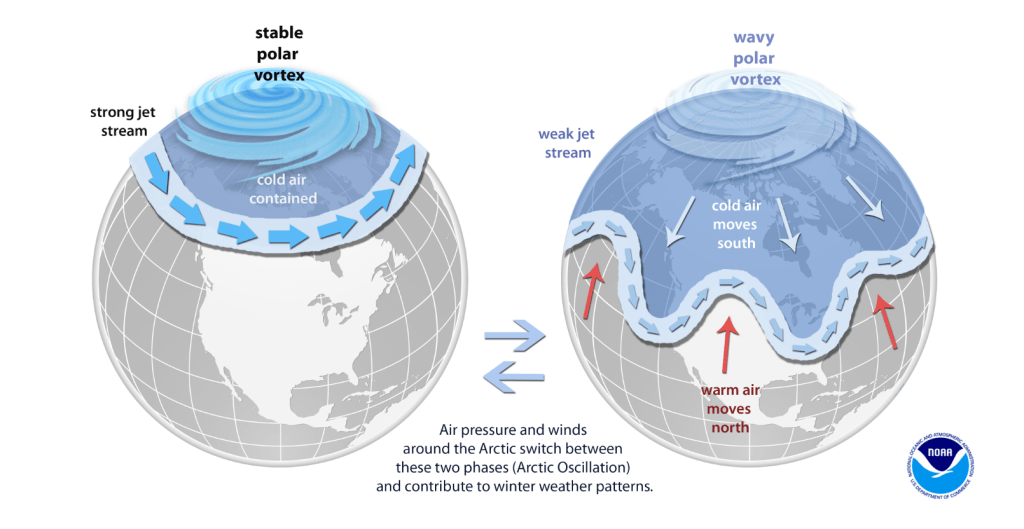
A polar vortex is a large area of low-pressure cold air that typically hovers over the polar regions. During winter, this vortex weakens, which allows arctic air to escape and push southward into regions like the United States, causing extreme cold temperatures. These cold air outbreaks can lead to significant weather events, such as heavy snowfall and freezing conditions, which increases energy demand.
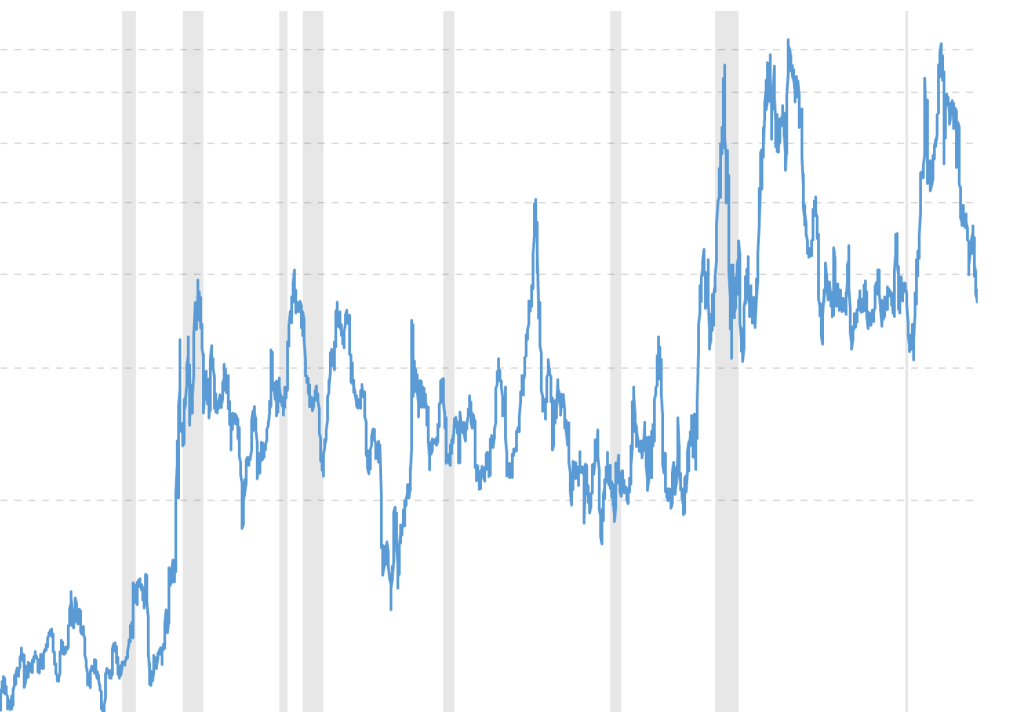
In order to test this theory, we pulled up the prices of both Natural Gas and Heating Oils, two crucial indicators that help measure the impact of any weather event in the financial markets.
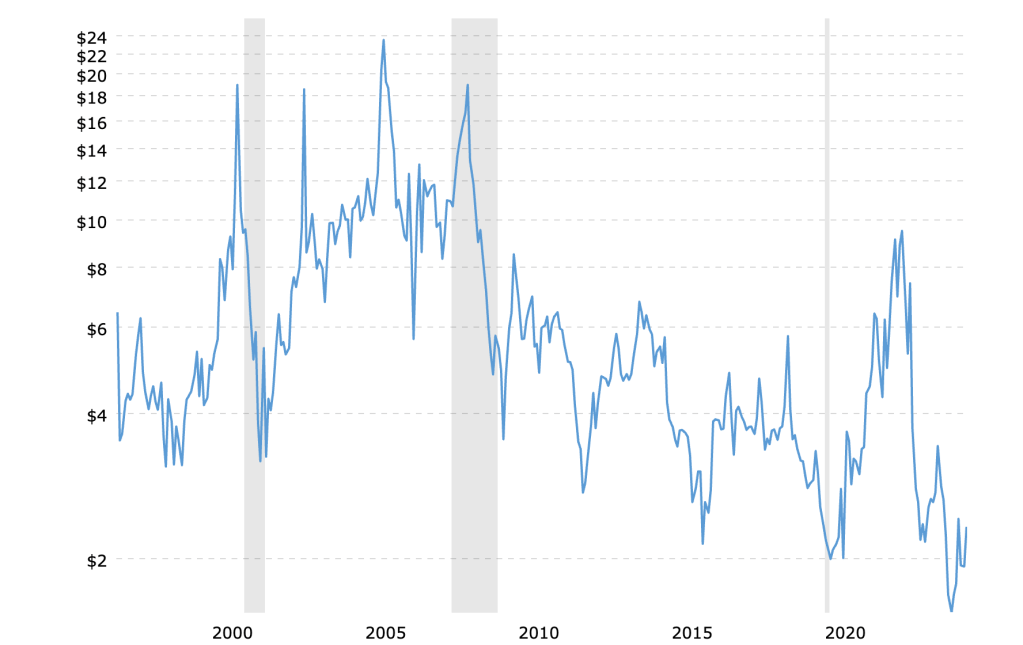
Natural Gas Prices from 1997-2024 (macrotrends.com)
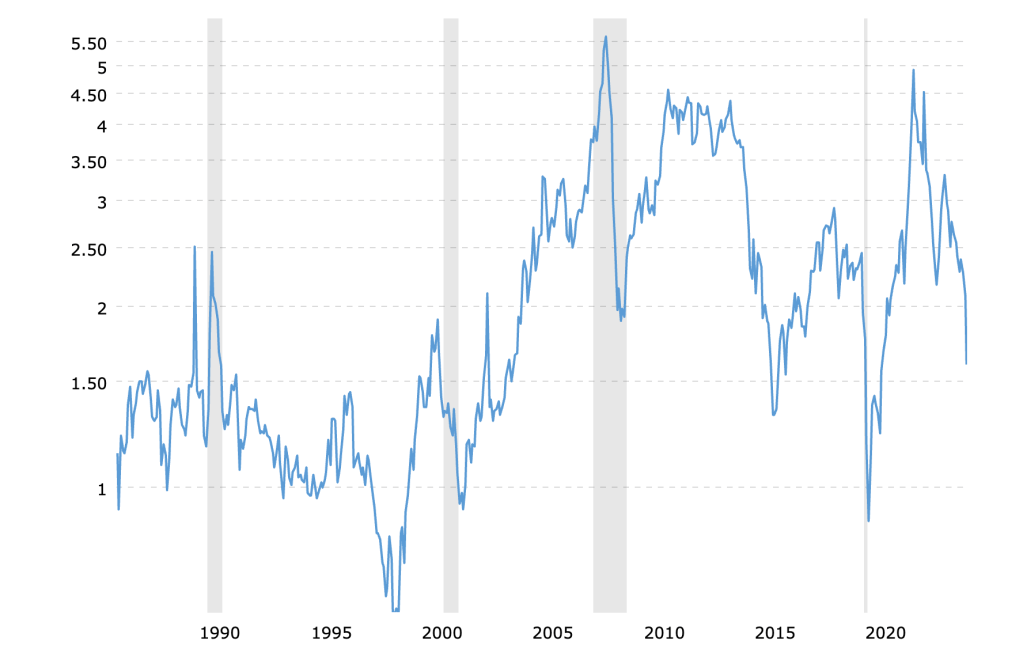
Heating Oil Prices from 1986-2024 (macrotrends.com)
In mid February of 2021, a polar vortex event impacted much of the central U.S., but mostly Texas. This event caused widespread electricity outages due to the overwhelming demand for heating and the failure of the state’s energy infrastructure to handle the extreme cold. Because Texas relies heavily on natural gas and wind energy, their natural gas prices skyrocketed over 300% on spot markets as pipelines froze and wind turbines became inoperable. Heating oil prices also rose around 15% as consumers looked for alternative heating sources. The 2021 polar vortex definitely highlighted the vulnerability of even major energy producers to extreme weather.
Another notable example is the polar vortex of 2014, which caused a deep freeze across the U.S. Midwest and Northeast. The arctic blast led to a sharp increase in natural gas demand for heating, pushing prices to their highest levels in five years. Natural gas storage levels dropped significantly, and spot prices spiked more than 350%. As a result, electricity prices also rose sharply because some regions have natural gas as a key fuel for power generation. The energy grid was strained, with utilities forced to purchase electricity at much higher rates.
Polar vortex events can have large impacts on the energy sector, which drives up demand for natural gas, heating oil, and electricity. Beyond price spikes, these extreme cold events also expose vulnerabilities in energy grids, trigger supply shortages, and increase operational costs for industries reliant on energy. To conclude, as climate change intensifies, its important to understanding and prepare for these weather-driven fluctuations.

 financewx.com
Leave a comment