
- Oil: Impact of Lower Interest Rates
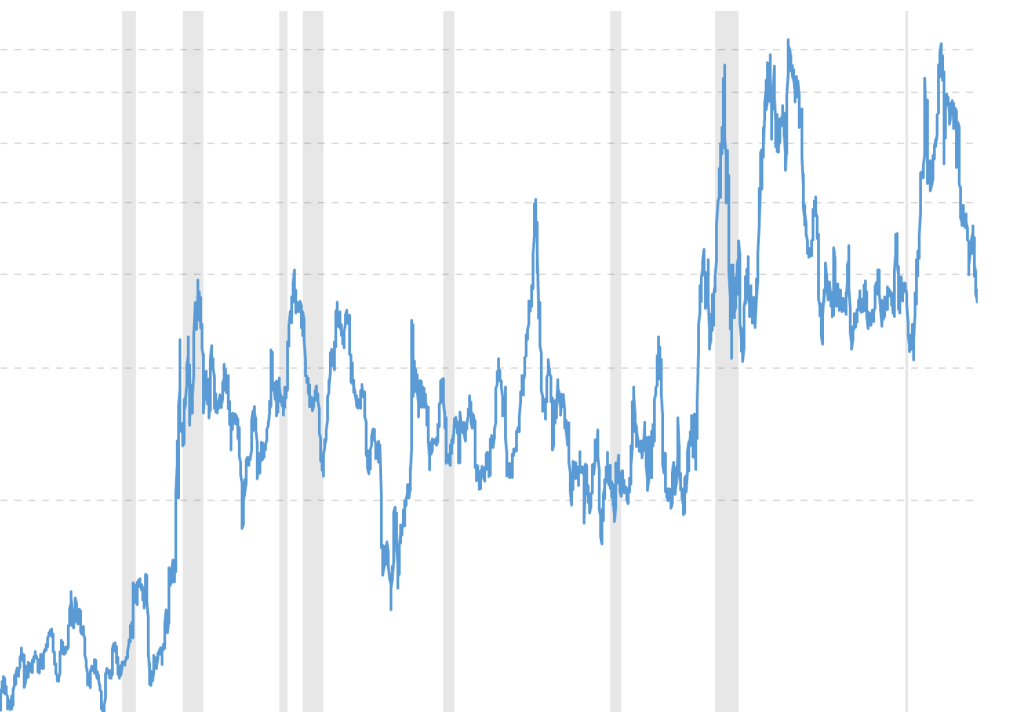
Oil prices are closely tied to global economic activity and the strength of the U.S. dollar. Here’s how a rate cut affects oil:
Weaker U.S. Dollar: A rate cut generally weakens the U.S. dollar, as lower interest rates reduce the returns on dollar-denominated assets. Since oil is priced in dollars, a weaker dollar makes oil cheaper for foreign buyers, boosting demand and, consequently, oil prices.
Demand Stimulus: Lower interest rates encourage borrowing and spending, which can stimulate economic activity. As economies expand, oil demand typically rises because more energy is required for transportation, manufacturing, and industrial activities.
Short-term Boost, Long-term Outlook: While lower rates often lead to an initial uptick in oil prices, the longer-term impact depends on how the economy responds. If the rate cut spurs economic growth, it may sustain higher oil prices. However, if the rate cut is a response to recession fears, oil demand may falter, leading to potential price drops over time.
OPEC and Geopolitical Factors: Besides monetary policy, oil prices are also influenced by OPEC production decisions and geopolitical tensions. A rate cut, particularly a significant one like a half-point, could coincide with these external factors, amplifying oil’s price volatility.
- Gold: The Classic Inflation Hedge
Gold, as a non-yielding asset, is highly sensitive to interest rate movements. A rate cut usually has a pronounced effect on gold prices:
Lower Opportunity Cost: Gold doesn’t generate interest or dividends, so its appeal increases when interest rates fall. Lower rates reduce the opportunity cost of holding gold compared to other interest-bearing assets like bonds.
Inflation Expectations: A half-point rate cut often signals that the Fed is concerned about economic growth, which can lead to inflationary pressures if stimulus measures succeed. Investors typically flock to gold during periods of rising inflation, as gold is viewed as a store of value.
Weakening U.S. Dollar: As with oil, a rate cut weakens the dollar, which is bullish for gold. Since gold is priced in dollars, a weaker dollar makes gold cheaper for international buyers, increasing demand and driving up prices.
Safe-Haven Asset: Rate cuts can signal economic instability or recession fears. During uncertain times, gold’s status as a safe-haven asset becomes more attractive to investors looking to preserve capital.
Summary for Gold
With a half-point Fed rate cut, expect gold prices to rise due to the combined effects of lower interest rates, a weaker dollar, and heightened inflation expectations. Gold’s rally might be amplified if there are additional concerns over economic slowdown or geopolitical instability.
- Soft Commodities: Impact on Agriculture
Soft commodities like wheat, corn, coffee, and cotton are also affected by changes in interest rates, albeit in more indirect ways:
Cost of Financing: Farmers and agricultural producers often rely on loans for operations, equipment, and land expansion. A lower interest rate reduces borrowing costs, encouraging investment in production. This can lead to higher supplies of soft commodities, potentially putting downward pressure on prices if demand doesn’t rise proportionately.
Global Demand and Trade: Many agricultural commodities are highly dependent on global demand and trade flows. A weaker dollar due to rate cuts makes U.S. exports of agricultural products more competitive on the global market, potentially increasing demand for American-grown crops and boosting prices.
Inflationary Pressures: Like gold, soft commodities can serve as a hedge against inflation. If inflation expectations rise following the rate cut, prices of agricultural goods may increase as buyers seek protection from inflation.
Weather and Crop Yields: Beyond monetary policy, weather patterns and crop yields are critical to soft commodities. A rate cut that boosts demand might coincide with poor crop yields (due to drought, storms, etc.), leading to sharp price spikes in soft commodities like wheat, corn, or soybeans.
Conclusion: What to Expect Across Commodities
Oil: Expect a potential short-term boost in prices due to a weaker dollar and rising demand, but long-term sustainability depends on broader economic conditions.
Gold: Prices are likely to rise significantly as lower rates make gold more attractive and increase inflationary pressures.
Soft Commodities: While lower interest rates make borrowing cheaper for producers, a weaker dollar and potential inflationary pressures could lift the prices of agricultural products, especially those tied to global trade like wheat, corn, and coffee.
The Fed’s decision to slash interest rates by a half-point is a significant move that signals concern over economic growth. For commodities, the near-term effects are typically positive, particularly for gold and oil, as investors seek safe-haven assets and hedge against inflation and currency depreciation. However, the long-term impact will depend on how the economy and global markets respond to the stimulus.


 financewx.com
Leave a comment