Although oil and metals are the most commonly traded and tracked commodities, there are other important commodities that are indicative of the general market as well as certain geographic regions.
1. Crude Oil is perhaps the most traded commodity, serving as the backbone of the global energy market. Its price is influenced by factors like supply and demand, geopolitical events, and the decisions made by OPEC, which controls a significant portion of global production. Disruptions in oil-producing regions, advancements in extraction technology (e.g., fracking), and shifts in energy consumption can all have a significant impact on crude oil prices. Additionally, economic growth drives higher demand for transportation and industrial use, which puts upward pressure on prices, while recessions tend to dampen demand.
2. Natural Gas is another vital energy commodity, primarily used for heating and electricity generation. Its price is heavily influenced by weather conditions—cold winters drive up demand for heating, while hot summers increase the need for air conditioning. Infrastructure developments, such as pipeline expansions or liquefied natural gas (LNG) facilities, also affect supply. Industrial demand for natural gas grows in line with economic expansion, especially in manufacturing sectors.
3. Gold, often considered a safe-haven asset, experiences price shifts based on economic uncertainty. In times of financial instability or geopolitical tension, investors flock to gold as a store of value. Interest rates also play a crucial role in determining gold prices; when interest rates rise, gold tends to decline since it does not generate income. Furthermore, gold prices are closely tied to currency movements—specifically the U.S. dollar. A stronger dollar generally makes gold more expensive for foreign buyers, reducing demand.
4. Silver shares many similarities with gold as a precious metal, but it also has significant industrial applications. It is used in electronics, solar panels, and medical equipment, making its price more tied to industrial demand than gold’s. Silver often moves in tandem with gold as both metals serve as stores of value, but its broader industrial use can create a divergence in its pricing based on manufacturing trends.
5. Copper is often seen as a barometer of global economic health due to its widespread use in construction, electronics, and infrastructure. Demand for copper rises during periods of economic growth, especially with increasing industrial activity in countries like China. Supply-side disruptions, such as strikes at major mines in Chile or Peru, can lead to shortages, driving up prices. Copper is also gaining importance due to its use in renewable energy technologies and electric vehicles.
6.Wheat is one of the most widely traded agricultural commodities and a key staple food worldwide. Weather conditions like droughts, floods, and frosts in major wheat-producing regions (e.g., the U.S., Russia, and Canada) can significantly affect supply and, consequently, prices. Geopolitical events, such as export bans or trade restrictions, also influence global wheat availability. As a primary food source, wheat prices are affected by population growth and changing dietary habits, especially in emerging markets.
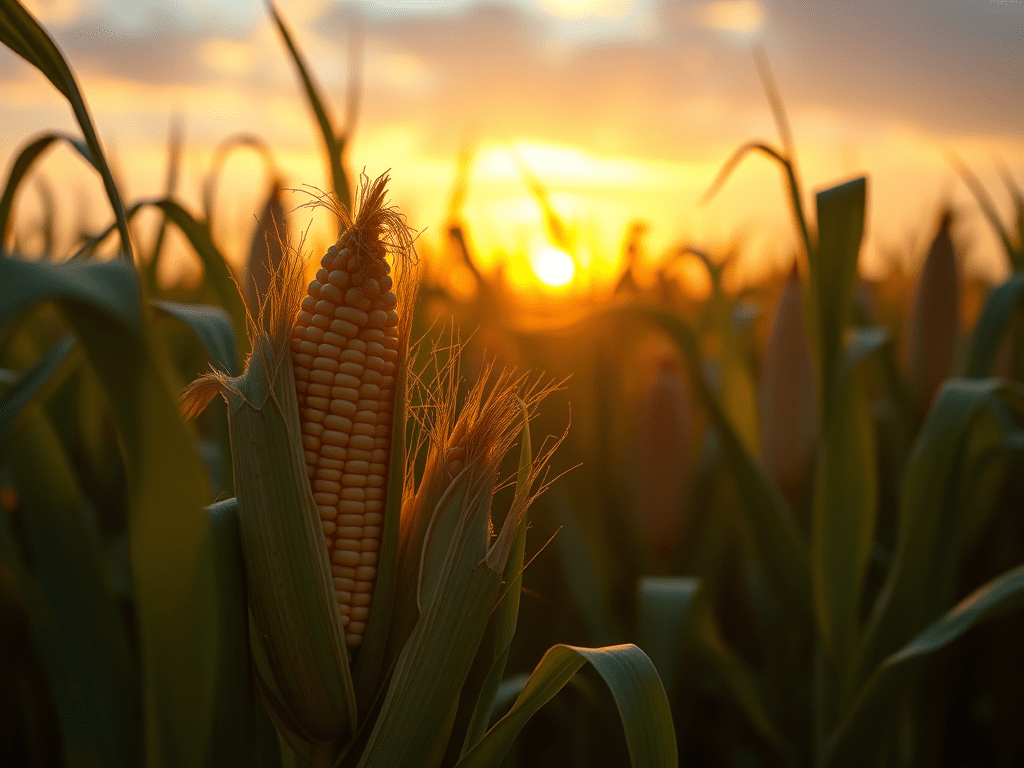
7. Corn is a versatile agricultural commodity used for human consumption, livestock feed, and biofuel production (ethanol). Ethanol demand plays a large role in driving corn prices, especially in the U.S., where corn is the primary input for ethanol. Additionally, corn is essential for livestock feed, so growth in the meat industry increases demand. As with other crops, weather patterns and planting conditions in major producing regions like the U.S. and Brazil significantly influence corn yields and prices.
8. Soybeans are crucial in global agriculture, serving as both livestock feed and a primary ingredient in biodiesel. China’s demand is a key driver of global soybean prices, as it is the largest importer of soybeans. Trade tensions, particularly between the U.S. and China, can lead to sharp price swings. Additionally, adverse weather conditions in top-producing countries like the U.S., Brazil, and Argentina can impact supply and drive prices higher.
9. Coffee is a highly traded commodity, with Brazil and Vietnam being the largest producers. Coffee prices are particularly sensitive to weather changes, as frost or drought can severely damage crops. Additionally, supply chain disruptions, such as labor shortages or political instability in producing regions, can lead to price volatility. Coffee prices are also influenced by currency fluctuations, especially the Brazilian real, since coffee is traded globally in U.S. dollars.
Cotton plays a crucial role in the textile industry, and its price is influenced by both weather conditions and global demand for clothing. Cotton production is vulnerable to droughts or floods in major producing countries like the U.S., India, and China. Additionally, the availability and price of synthetic fibers like polyester can affect demand for cotton, with rising fashion trends and consumer spending influencing the market.
10. Sugar is a vital commodity for both food production and ethanol. The largest producers, Brazil and India, significantly influence global sugar prices. In Brazil, a substantial amount of sugarcane is diverted for ethanol production, so shifts in biofuel demand impact sugar availability. Weather conditions, government policies on subsidies and tariffs, and global health trends, such as a decline in sugar consumption due to health concerns, also affect sugar prices.
11. Iron Ore, a primary input in steel production, sees its demand driven by industrial growth, particularly in construction and manufacturing. China’s rapid industrialization has made it the largest consumer of iron ore, so any economic slowdown or environmental regulations in China can lead to decreased demand. Supply disruptions from major producers like Australia and Brazil, due to mining issues or transportation delays, can lead to price increases, as iron ore is crucial for global infrastructure development.
Among the listed commodities, natural gas and agricultural commodities like soybeans, wheat, corn, coffee, cotton, and sugar are most affected by weather. Natural gas prices are driven by temperature-related demand (heating in winter, cooling in summer), while agricultural commodities are highly vulnerable to weather during their growing and harvesting seasons. Droughts, frosts, excessive rains, and storms can all drastically reduce supply, leading to price volatility. This weather dependency makes forecasting and managing these commodities especially challenging for traders and producers.


 financewx.com
Leave a comment